
By Louise McKee, Senior Training Coordinator, CervicalCheck Screening Training Unit
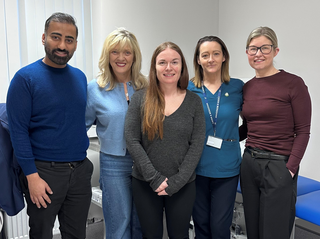
We worked with social inclusion services and a local GP practice in Monaghan to provide access to cervical screening for migrant women who did not have a GP.
This partnership has helped us to create an ongoing cervical screening service for migrant women living in State-provided accommodation in Cavan and Monaghan.
Why we started this project
In 2025, we got feedback from one of our community champions for screening in Monaghan that some migrant women who did not have a GP were finding it difficult to access cervical screening.
Around 70 women were initially identified as needing or being overdue cervical screening. The women did not have access to a GP registered with CervicalCheck to provide free cervical screening.
What we wanted to achieve
Our aim was to develop a safe and sustainable way for these migrant women to access screening.
We needed to make sure:
- the screening service offered met our quality and clinical requirements
- there was a clear process for managing screening results
- clinical and educational support was available to local healthcare professionals.
What we did
We worked with Social Inclusion services in the area to understand the difficulties and explore local solutions.
A GP practice in Carrickmacross agreed to support the project by providing a consultation room for screening clinics and clinical governance for the clinics, including a clear process for managing screening results and follow-up care.
We initially provided sample taker hours to establish the clinics. We then built the knowledge and skills within the GP practice that were needed to provide a cervical screening clinic locally. We provided education and clinical support to a practice nurse and GP registrar. We provided updates on the CervicalCheck pathway to 3 administrative staff and the clinically responsible doctor.
We talked to women living in International Protection Accommodation Services centres and organised appointments.
27 women attended their initial appointment, and we followed up with women who missed their appointments and offered them another opportunity to attend.
Creating a lasting cervical screening service
An important outcome is that the cervical screening clinic has continued beyond the initial project. The participating GP practice has taken over the screening clinic and continues to provide cervical screening. This means women can continue to access screening through a local primary care service that has clear clinical responsibility and arrangements for managing results and follow-up care.
This work shows how listening to concerns, building relationships and supporting local teams can help more women access screening close to where they live. By working together, we created a practical local pathway that improves access to CervicalCheck and supports safer, more equitable care for women who choose screening.
It also supports Ireland’s work towards cervical cancer elimination and our vision to make cervical cancer rare in every community by 2040.