
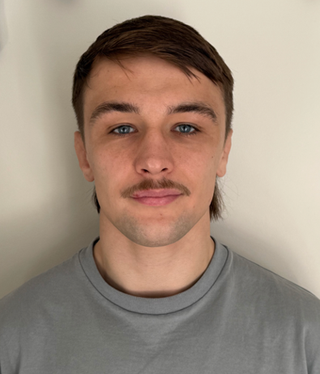
Lewis Byrne is a Community Health Worker and social prescriber, working with Dublin City Community Co-operative in Dublin 1. He trained with the National Screening Service as a Community Champion for screening in 2024. As an athlete, Lewis is passionate about men’s health and fitness.
By Lewis Byrne, Community Health Worker, Dublin City Community Co-op
My work involves delivering health programmes to groups based in Dublin city centre, and one-to-one sessions with people. I get them to link in with activities to improve their health and wellbeing. Work takes me all around the north-east inner city.
I also deliver a male-specific health programme called ‘Mind Yourself: A guide to men’s health & wellbeing’.
My background
I’ve volunteered and been involved with the local community most of my life. As a young person I really grew in youth services in Dublin’s Ballybough and Summer Hill. Later, I got working for Dublin City Community Co-op. I saw the profound effect youth and community services had on me and in the community. Now I’m giving back to that same community.
When I first began my work as a community health worker, each member of the team was also trained to be a social prescribing link worker. A social prescriber is a title for someone like me who helps people in their community to link in and do things that they might not have the confidence to do otherwise. I link people with organisations that are on their doorsteps, but often they didn’t realise they were there. I help them improve a skill and see where it goes from there.
I have been involved in this for 5 years. I’m always on the lookout for new groups and activities I can get involved with.
Working with men in my community
A highlight for me is working with men through the Mind Yourself programme. This has allowed me to work with men from all walks of life, and most recently with men in Mountjoy Prison Training Unit. It means a lot to me to work in my own community, and it is rewarding to see the journey people go on – over months, or a year.
During one session, a man started talking about pain in his abdomen. I persuaded him to get checked. The following week, he told us that he made an appointment with a GP, and they found a hernia in his abdomen.
Men’s attitudes to their health
It’s quite common to see a stigma about going to a doctor. Men say to themselves ‘it will be grand, I’ll leave it for now’. Something could be quietly affecting them, and sometimes they let it go too long. Men need to gain confidence to go doctors.
Men can be full of ‘confidence’ but reluctant to go to a doctor. Men in our culture are expected to be strong. I think younger generations are being far more health-minded, and this includes looking after their health issues earlier.
The main challenges with men are reluctance and time constraints. Men can feel they are too busy. They will put their health on the back burner.
I mostly work with men from Dublin, and sometimes with men from other counties. I have also worked a little with men from new and migrant communities. I find the Irish men prefer male doctors because they don’t want a woman examining them. The guys from new communities prefer a female doctor because they feel they listen more.
Screening
In the men’s health and wellbeing programme that I deliver, there are several modules focused on maintaining good health proactively, as well as accessing the national screening services available to men. I remind them they are free services. Some of the men have now ordered the BowelScreen test.
I also promote screening through our community programmes, which bring in different groups of men for weekly coffee mornings. During these sessions, we have conversations about health and the importance of taking care of ourselves. We make men aware of national health awareness campaigns and events, such as Men’s Health Week and Bowel Cancer Awareness Month. I always encourage the men who attend to avail of screening services and to take proactive steps to look after their health, rather than waiting until problems arise later.
During the summer last year, I organised a community screening day for men living in local International Protection Accommodation Service centres. We provided a range of translated resources to support men who spoke various languages from across Europe, South America, Asia and Africa. I also used video guides demonstrating how to use the bowel screening home-test kits, along with sample kits that the men could look at. This helped reduce any stigma or anxiety they may have felt about using the kits.
My advice to men during Men’s Health Week
Go out and do your research on different things you can do to look after your health. And address symptoms as early as possible. Just go and get checked. Bite the bullet. It’s better to find out early.
Personal thoughts
This work has influenced how I look after my own health. I’m an athlete - a professional Mixed Martial Arts fighter - so I’m health-minded. In the past, I often put off health appointments, but now I go early.
- Lewis joined a panel of guest speakers at the 2026 HSE Health & Wellbeing Men’s Health Week webinar.